

10 Ingredients That May Contribute to Behavioral Challenges in Autism & Alternatives
This is such an important topic, especially for families walking through intense behavior challenges and trying to understand why something is happening instead of just reacting to it. Food can absolutely be one piece of the puzzle. Not the whole puzzle, but sometimes a meaningful one.Understanding potential dietary triggers can empower families to identify patterns, reduce inflammation, and support emotional regulation.
⚠️ Important: This resource is educational only and not medical advice. Always consult a physician, dietitian, or functional medicine provider before making major dietary changes.
1. Artificial Food Dyes (Red 40, Yellow 5, Yellow 6, Blue 1)
Why It May Affect Behavior:
-
Linked to hyperactivity and irritability in some children
-
May affect neurological signaling
-
Can worsen emotional dysregulation
Commonly Found In:
-
Candy
-
Frosted cereals
-
Fruit snacks
-
Colored drinks
Better Alternatives:
-
Naturally colored snacks (beet juice, turmeric, spirulina-based colorings)
-
Organic fruit snacks without dyes
-
Plain cereals with added fresh fruit

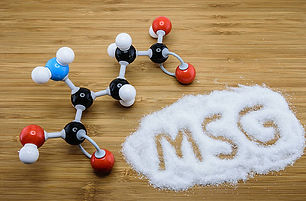
3. Monosodium Glutamate (MSG)
Why It May Affect Behavior:
-
Acts as an excitotoxin in sensitive individuals
-
May increase agitation and headaches
Hidden Names to Watch For:
-
Hydrolyzed protein
-
Autolyzed yeast
-
Natural flavors
Better Alternatives:
-
Homemade seasoning blends
-
Garlic, herbs, sea salt
-
Coconut aminos instead of traditional soy sauce

5. Dairy (Caseine, Lactose, Whey)
Why It May Impact Behavior
-
Casein sensitivity in some individuals
-
Mucus production
-
Gut inflammation
Better Swaps
-
Almond milk
-
Oat milk
-
Coconut yogurt
-
Dairy-free ice cream

7. Soy (Highly Processed)
Why It May Affect Behavior:
-
Phytoestrogen impact
-
Often genetically modified
-
Can affect thyroid in sensitive individuals
Better Alternatives:
-
Chickpea-based products
-
Lentils
-
Pea protein


2. High-Fructose Corn Syrup (HFCS)
Why It May Affect Behavior:
-
Blood sugar spikes and crashes
-
Can increase mood instability
-
Linked to inflammation
-
Better Alternatives:
-
Water with fresh fruit
-
Coconut water (no added sugar)
-
Whole fruit instead of juice
4. Gluten (Wheat-Based Products)
Why It May Affect Behavior:
-
Some individuals have gluten sensitivity
-
May contribute to gut inflammation
-
Gut-brain axis impact
Better Alternatives:
-
Gluten-free oats
-
Brown rice pasta
-
Almond flour products

6. Aspartame & Artificial Sweeteners
Why It May Affect Behavior:
-
May impact neurotransmitter balance
-
Can worsen mood swings
Better Alternatives:
-
Small amounts of raw honey
-
Pure maple syrup
-
Stevia (natural, minimally processed)

8. Preservatives (BHA, BHT, Sodium Benzoate)
Why It May Affect Behavior:
-
Associated with hyperactivity
-
Can increase oxidative stress
Better Alternatives:
-
Fresh whole foods
-
Minimal-ingredient snacks
-
Homemade baked goods
9. Excess Refined Sugar
Why It May Affect Behavior:
-
Blood sugar instability
-
Increases inflammatory markers
-
Energy crashes
Better Alternatives:
-
Protein-balanced snacks
-
Fruit with nut butter
-
Chia pudding


10. Food Sensitivities (Individualized Triggers)
Common examples:
-
Eggs
-
Corn
-
Peanuts
-
Food additives